

The One Life in All Things: A Guiding Principle of Two Quiet Revolutionaries

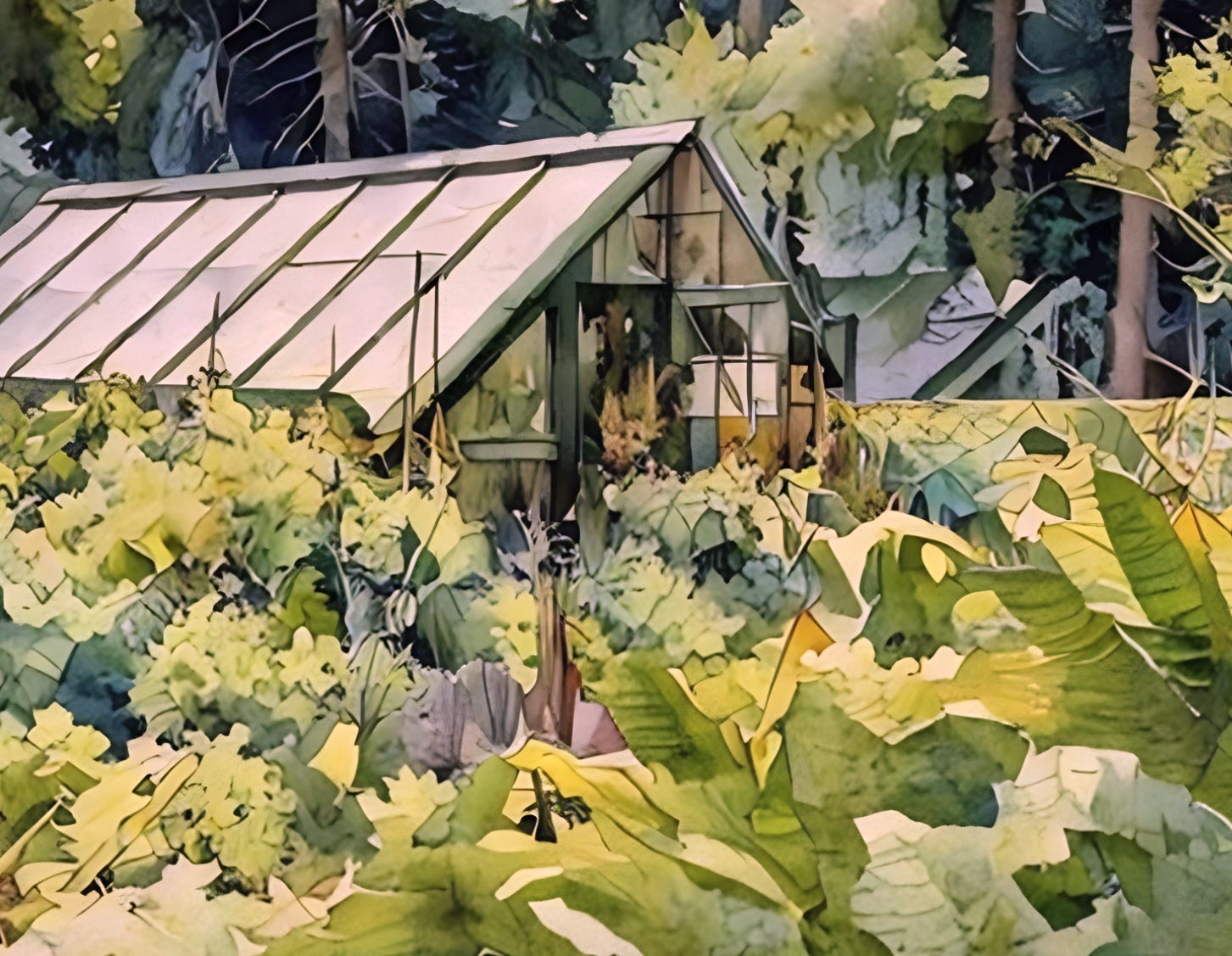
Can a life pursued sustainably and close to nature offer a significant answer to modern anxieties? Helen and Scott Nearing believed it could. Moving away from the dominant paradigms of consumption and speed, they intentionally chose an existence that was revolutionary in its simplicity. Their deep love for each other and fidelity to shared values defined their exemplary lives.
In the early 1930s, as the Depression gripped the nation, Helen and Scott sought an audacious alternative to city dwelling. They found it on a remote homestead in southern Vermont. There, they meticulously built stone structures, started organic gardens, and remained without electricity, demonstrating a powerful commitment to self-sufficiency.
As the seasons changed, winter brought maple sugaring, a tradition they refined over time. This practice eventually became a primary source of sustenance for their homestead. Their accumulated knowledge and experience were documented in The Maple Sugar Book: Together with Remarks on Pioneering as a Way of Living in the Twentieth Century (1950)—now that’s a title!—rich in technical insights and reflections on their broader philosophy.
But by the early 1950s, as paved roads, increasing tourism, and industrial expansion began to encroach, the Nearings, seeing the undeniable denouement, sold the property they had nurtured and relocated to the rugged coast of Maine.
In Harborside, Helen and Scott established Forest Farm, once again constructing buildings and tending gardens. In 1954, they co-authored Living the Good Life: How to Live Sanely and Simply in a Troubled World, which became a landmark in the back-to-the-land movement. The book inspired others then and in the decades to come to adopt simpler lifestyles. It was reissued in 1970, and their follow-up, Continuing the Good Life (1979), further solidified their contributions. They also wrote a regular column for Mother Earth News after its 1970 launch, to continue sharing their unique story.
Over many years, the farm became a destination for people seeking knowledge about sustainable living. Visitors came to learn, work alongside the Nearings, and explore self-sufficiency principles. Their days were a rhythm of thoughtful labor and deep engagement with nature.
For Helen and Scott, The One Life in all things was central to their perception of existence—an awareness of the interconnected web of creation that could readily be observed in daily homesteading patterns. Each task, whether tending gardens or gathering maple sap, became an opportunity to immerse themselves with wonder in all that lay before them.
The One Life in all things points to the animating principle in every detail: the soft hum of a bee, the unfurling of a fern frond, the ebb and flow of the ocean tides. It also includes the faculty through which we apprehend this intrinsic process.
During their lives, Helen and Scott had “let go” over and over—through loss of loved ones, cherished places, and what the passing of years naturally claims. When Scott died at 100 in 1983, Helen viewed his passing as part of the earth cycle, believing that life and death, seemingly opposites, were inextricably bound like light and shadow, echoing a similar sentiment from Alan Watts:
If … you understand that black implies white, self implies other, life implies death (or shall I say death implies life?) you can feel yourself—not as a stranger in the world, not as something here on probation, not as something that has arrived here by fluke—but you can begin to feel your own existence as absolutely fundamental.
After Helen's death in 1995, the Maine property was transformed into the Good Life Center, an organic homestead with a demonstration garden that continues to be a model for living "sanely and simply in a troubled world." The Good Life Center offers a summer speaker series, homestead workshops, and tours for individuals and groups.
While their way of life was demanding, the example Helen and Scott embodied continues to teach valuable lessons about simplicity and connection even for those who cannot dedicate themselves fully to homesteading. Their legacy reveals that meaningful work, guided by purpose, nourished by love, and respectful of The One Life in all things yields generous harvests.◊